Stainless Steel vs. Aluminum Boat Ladders: How to Choose the Right One for Your Boat
Share article
Choosing a stainless steel vs. aluminum boat ladder comes down to balancing strength, weight, comfort, usability, and long-term value. Stainless steel boat ladders are often selected for rigidity, durability, and a premium appearance, while aluminum boat ladders are commonly chosen for lighter handling, easier deployment, and practical everyday use. Neither material is automatically better for every boat.
Boat ladder materials affect more than appearance. They influence boarding comfort, ladder stability, maintenance requirements, and confidence entering or exiting the water. While many boaters start by comparing stainless steel and aluminum, step design, underwater reach, and usability often matter just as much as the material itself.
This marine ladder buying guide explains the differences between boat ladder materials, outlines aluminum boat ladder pros and cons, highlights stainless steel boat ladder benefits, and helps boaters choose the right solution for their setup.
In This Guide
- Why Boat Ladder Materials Matter
- What Stainless Steel & Aluminum Really Mean
- Stainless Steel Boat Ladders
- Aluminum Boat Ladders
- Stainless Steel vs. Aluminum Boat Ladder Comparison
- Features That Matter More Than Material
- How to Choose the Right Ladder
- Where SureStep Ladders Fit in
- Frequently Asked Questions About Stainless Steel vs. Aluminum Boat Ladders
Why Boat Ladder Material Matters
Boat ladder material matters because it affects durability, comfort, usability, maintenance needs, and how confidently people can get in and out of the water.
Many boaters initially focus on ladder appearance or price, but material selection influences everyday performance. The ladder becomes one of the most frequently used touchpoints on the boat, especially for pontoons, deck boats, and recreational setups where swimming is part of the experience.
A boarding ladder works in a demanding environment. It regularly handles water exposure, shifting weight, direct sunlight, repeated movement, and wet conditions. Material selection affects not only long-term durability but also how stable the ladder feels while someone climbs aboard.
For families, frequent swimmers, and anyone upgrading an older ladder, choosing the right material can improve comfort and confidence before and after every outing.
What Stainless Steel & Aluminum Really Mean
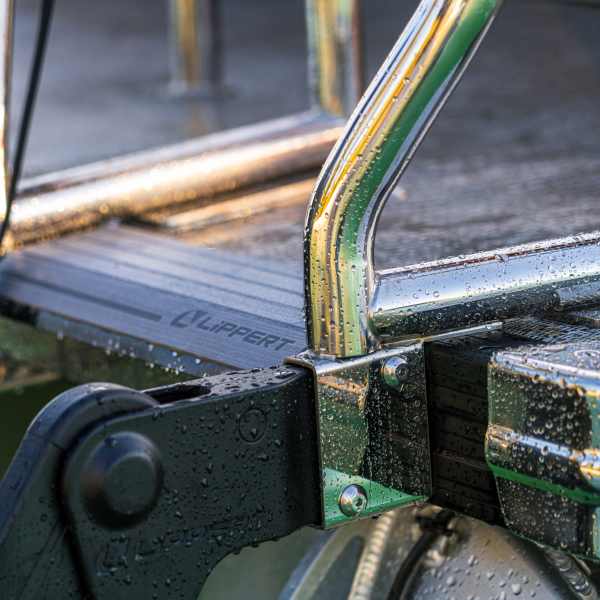
Most boat ladders are not made entirely from stainless steel or entirely from aluminum. Manufacturers commonly use multiple materials to balance performance and usability.
Boaters often assume a ladder labeled stainless steel or aluminum uses only one material. In practice, most ladders combine metals, hardware, coatings, grip surfaces, fasteners, and step materials.
The frame structure may use one metal while the steps use another material designed for comfort and traction. Fasteners may differ from the main structure, and some ladders use textured step surfaces or marine-grade coatings to improve the overall user experience.
Manufacturers select materials according to function. Structural components prioritize support and durability. Step surfaces prioritize comfort and traction. Mounting hardware focuses on long-term reliability.
This is important because boat ladder materials tell only part of the story. Overall design usually matters more than material labels alone.
Stainless Steel Boat Ladders
Stainless steel boat ladders are commonly chosen for strength, rigidity, corrosion resistance, and a premium appearance.
Stainless steel has been widely used in marine applications because of its sturdy feel and long-term durability. Many boaters appreciate the solid sensation stainless steel provides during boarding.
For users climbing aboard after swimming, ladder rigidity can create a more secure feel under shifting weight and changing water conditions.
Stainless Steel Boat Ladder Benefits
The biggest stainless steel boat ladder benefits are strength, durability, rigidity, and premium appearance.
Stainless steel offers several advantages:
- Strong and stable feel
- Durable construction
- Reduced flex under use
- Premium visual appearance
- Corrosion resistance in marine environments
- Good fit for many modern boat styles
Many boaters associate stainless steel with a heavier-duty experience. That perception often comes from the material's rigidity during use.
For boats used frequently for swimming or family recreation, stability can improve confidence while climbing aboard.
Stainless Steel Trade-Offs
Stainless steel ladders are typically heavier and commonly sit at a higher price point than aluminum options.
The added weight can affect storage and deployment depending on ladder design.
Heavier ladders may require more effort when folding, stowing, or repositioning. Stainless steel surfaces can also retain heat during prolonged sun exposure.
These trade-offs do not necessarily make stainless steel less desirable. They simply highlight why the right choice depends on boating habits and priorities.

Aluminum Boat Ladders
The main advantages of aluminum are lighter weight and easier handling, while trade-offs may include less rigidity depending on design.
Aluminum boat ladder pros include:
- Lightweight construction
- Easier deployment
- Practical value
- Natural corrosion resistance
- Convenient storage and handling
- Common use across many recreational boats
Potential trade-offs include:
- Possible flex depending on design
- Wear over time in lower-support constructions
- Less rigid feel under heavier loads
The ladder design itself remains important. A thoughtfully engineered aluminum ladder may perform very differently than a basic lightweight model.
Stainless Steel vs. Aluminum Boat Ladder Comparison
A stainless steel ladder typically prioritizes strength and rigidity, while an aluminum ladder often prioritizes lighter handling and convenience.
Comparing boat ladder materials becomes easier when viewed through everyday use rather than material specifications alone.
| Fetaure | Stainless Steel | Aluminum |
| Weight | Heavier | Lighter |
| Feel | More Rigid | Easier to handle |
| Deployment | May require more effort | Easier to move |
| Appearance | Premium finish | Clean practical look |
| Cost Range | Typically higher | Typically lower |
| Ideal Use | Frequent use and premium setups | Everyday recreational use |
Maintenance requirements remain similar for both materials. Boaters should rinse ladders regularly, inspect mounting points, and clean surfaces before and after every outing, particularly in saltwater conditions.
Features That Matter More Than Material
Step design, traction, underwater reach, and usability often have a greater impact on boarding comfort than stainless steel or aluminum alone.
Boaters sometimes focus heavily on frame material and overlook features that affect actual use. A ladder that feels uncomfortable, unstable, or difficult to climb can create frustration regardless of what material it uses.
Step Depth & Spacing
Deep, wide steps usually create a more natural climbing experience than narrow ladder rungs.
Extra step space can improve comfort and reduce fatigue during boarding.
Non-Slip Surfaces
Traction matters whenever wet feet and moving water are involved.
Slip-resistant surfaces can help support a more secure footing.
Number of Steps & Underwater Reach
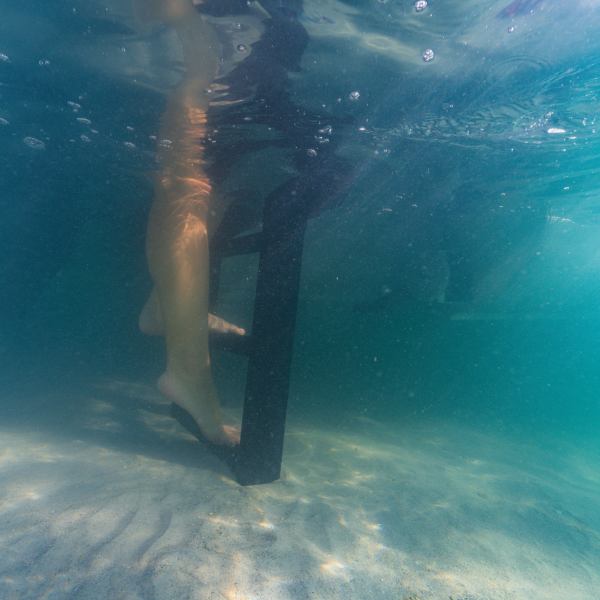
Ladders should extend far enough below the waterline to make climbing easier.
A deeper first step can create a more natural climbing position and reduce strain.
Mounting Style & Compatibility
Pontoon boat ladder requirements vary depending on deck configuration and available mounting space.
Not every ladder works with every setup.
Ease of Stowing & Deployment
A ladder that deploys easily is often more convenient during real-world use.
Weight and design both contribute to overall usability.
How to Choose the Right Ladder
The right boat ladder matches your boat type, passenger needs, usage habits, and storage considerations.
Key considerations when shopping for boarding ladders:
- Boat type
- Who will be using the ladder?
- How often the ladder will be used
- Storage and weight
- Budget vs. long-term value
Where SureStep™ Ladders Fit in
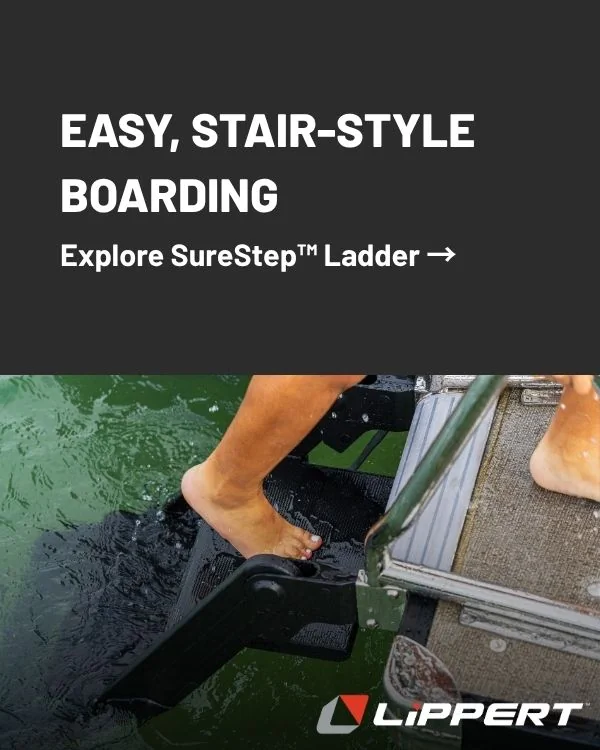
SureStep pontoon ladders are designed to prioritize comfort, usability, and confidence for pontoon boaters.
For many boat owners, material alone does not determine the overall boarding experience. Lippert SureStep pontoon ladders focus on step design and user-friendly access rather than relying solely on material differences. Wider step surfaces and thoughtful construction help create a more natural climbing experience.
For boaters comparing a stainless steel vs aluminum boat ladder, SureStep offers an example of how ladder usability can become more important than simply choosing one metal over another.
This approach can be especially valuable for families, frequent swimmers, and pontoon owners looking for a dependable upgrade.
Watch How SureStep Makes Boarding Easier
Frequently Asked Questions About Stainless Steel vs. Aluminum Boat Ladders
-
Is Stainless Steel or Aluminum Better for a Boat Ladder?
Stainless steel is commonly preferred for strength and rigidity, while aluminum is often selected for lighter handling and easier deployment. The best option depends on the boat and how it will be used.
-
Do Aluminum Boat Ladders Rust?
Aluminum does not rust like steel. However, it can still show corrosion or wear in marine environments without routine care.
-
What Are the Main Stainless Steel Boat Ladder Benefits?
Stainless steel boat ladder benefits include durability, rigidity, corrosion resistance, and premium appearance.
-
What Are the Biggest Aluminum Boat Ladder Pros and Cons?
Aluminum boat ladder pros include lighter handling and practical value. Potential trade-offs can include less rigidity depending on design.
-
Does Material Matter More Than Step Design?
No. Step width, underwater reach, traction, and comfort often affect everyday usability more than frame material alone.
-
What Ladder Works Best for a Pontoon Boat?
Pontoon boats commonly benefit from ladders with comfortable step spacing, stable footing, and enough underwater reach for easier boarding.