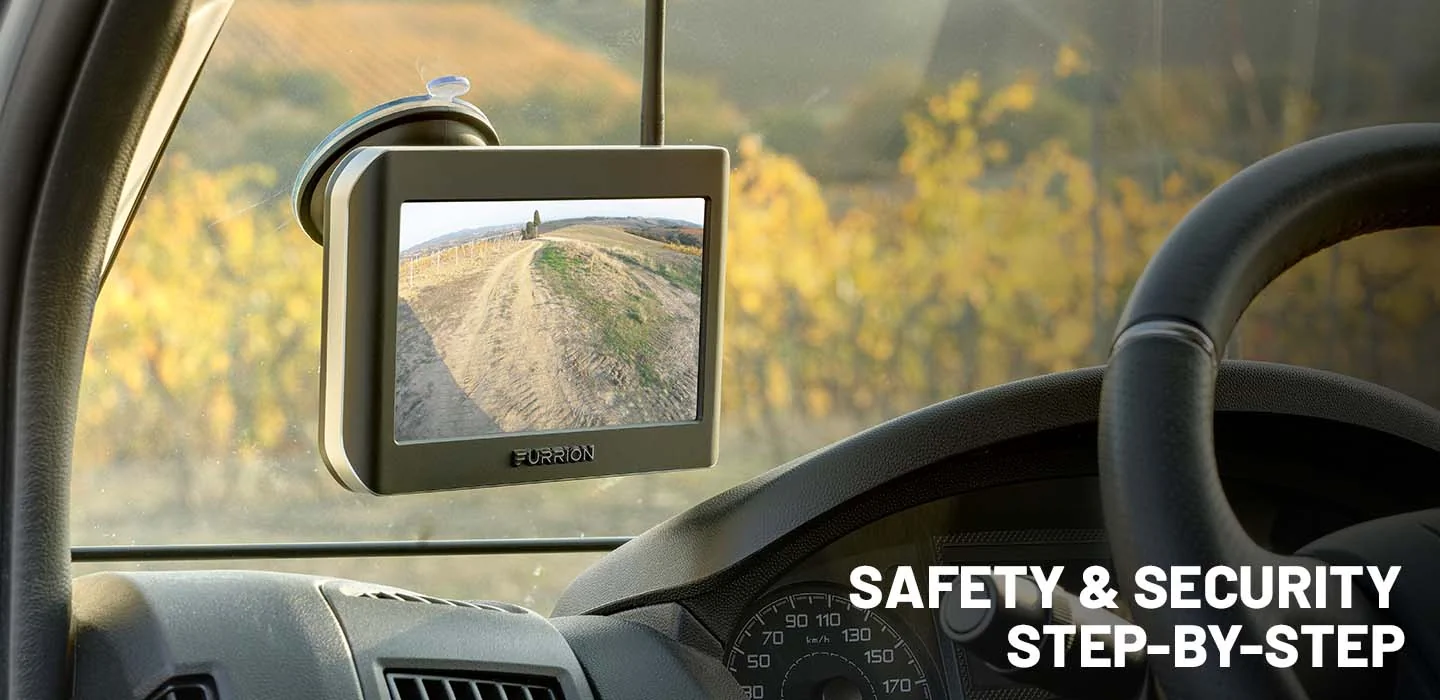
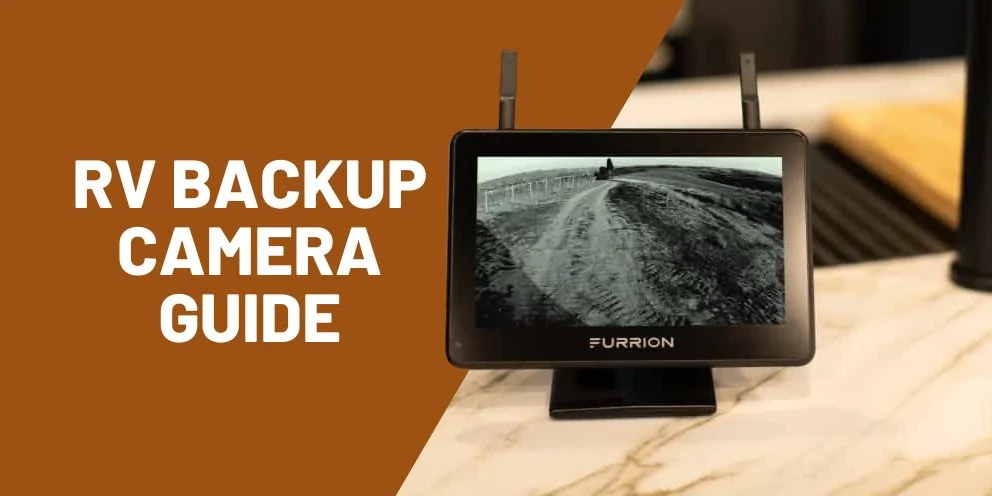
Why Every RV Owner Should Install an RV Backup Camera System
Share article
Navigating a large RV can be challenging, especially when reversing, parking, or maneuvering in tight spaces. Limited rear visibility often makes these tasks stressful and, in some cases, risky. Installing an RV backup camera is one of the most effective ways to enhance safety, improve confidence, and protect your investment.

The Challenge of Driving Without a Backup Camera
RVs are longer and taller than standard vehicles, which makes rear visibility limited. Many RV owners struggle with blind spots that can hide obstacles, pedestrians, or other vehicles. Even experienced drivers can find reversing into a crowded campground or aligning with a campsite pad intimidating.
A backup camera eliminates much of this guesswork. By providing a clear view of what’s behind your RV, these systems reduce the risk of accidents and allow you to focus on the road, not the blind spots.
Top Benefits of Installing an RV Backup Camera System
1. Enhanced Safety & Awareness
An RV backup camera significantly reduces the chances of collisions. With features like wide-angle lenses, night vision, and weather-resistant construction, these cameras give you a full view of your surroundings, even in low-light conditions. Safety is the primary reason every RV owner should consider this upgrade.
2. Easier Parking & Maneuvering
Tight parking spaces, crowded campgrounds, and uneven terrain are common challenges for RVers. Backup camera systems simplify these maneuvers by showing a clear image of obstacles behind your vehicle, helping you navigate with precision.
3. Protecting Your Investment
RVs are expensive, and backing into poles, vehicles, or other obstacles can result in costly damage. A backup camera provides an extra layer of protection, helping you avoid scratches, dents, or more serious damage.
4. Improved Driving Confidence
Whether you’re a new RV owner or a seasoned traveler, a backup camera reduces anxiety. Knowing you can see clearly behind your vehicle allows you to drive and park with confidence, even in crowded or tricky situations.
5. Integration with Smart RV Systems
Smart RV technology allows backup cameras to integrate seamlessly with other electronic systems, providing a connected and convenient driving experience. From wireless displays to multi-camera setups, these solutions make modern RVing safer and smarter.

Types of RV Backup Cameras
Wired vs. Wireless Systems
- Wired cameras offer a stable connection and consistent video quality but may require professional installation.
- Wireless cameras are easier to install and offer flexible placement but may be affected by signal interference in some RV setups.
Single-Camera vs. Multi-Camera Setups
- Single-camera systems provide a clear rear view, suitable for most standard RVs.
- Multi-camera systems offer additional views, such as side or front monitoring, giving full coverage and reducing blind spots. They're also ideal for increasing RV security.
Dash-Mounted Monitors vs. Integrated Displays
- Standalone monitors mount directly to the dashboard for easy viewing.
- Integrated displays can connect with existing infotainment systems for a cleaner, more cohesive setup.
What to Look for When Choosing an RV Backup Camera
- Resolution and Video Clarity – A clear image is crucial for identifying obstacles.
- Field of View – Wide-angle lenses capture more area behind the RV.
- Weatherproof Construction – Cameras must withstand rain, dust, and vibrations.
- Night Vision – Essential for safe reversing in low-light conditions.
- Wireless Range or Cable Length – Ensure compatibility with your RV’s size.
- Ease of Installation – Consider whether you prefer DIY or professional installation.
Backup cameras designed specifically for RVs ensure durability, performance, and reliability on the road.
How to Install an RV Backup Camera
Installing an RV backup camera is straightforward with the right guidance:
- Choose a Mounting Location – Place the camera where it offers a clear rear view.
- Connect Power and Video Feed – Follow manufacturer instructions for proper wiring.
- Mount the Monitor Inside the Cab – Ensure it’s in a convenient, visible position.
- Test Camera Alignment – Adjust the camera angle and check image clarity before finalizing installation.
For detailed instructions, refer to support documentation for your specific camera system.
Real-World Scenarios: When an RV Backup Camera Makes a Difference
An RV backup camera makes a tangible difference in everyday driving scenarios. For instance, backing into a narrow or uneven campsite becomes much easier when you have a clear, real-time view of the area behind your RV, helping you avoid obstacles and align precisely with your pad. Navigating crowded campgrounds or busy fuel stations is safer because you can spot pedestrians, other vehicles, and objects that would otherwise be hidden in blind spots. Additionally, if you are towing a trailer or aligning a towed vehicle, a backup camera simplifies the process, reducing guesswork and stress. Even solo drivers gain peace of mind, knowing they can reverse or park without a spotter. In all these situations, a reliable camera enhances both safety and confidence, allowing RV owners to focus on the journey rather than worrying about potential mishaps.
See the Road Differently
A quality RV backup camera is one of the most valuable safety upgrades an RV owner can make. By improving visibility, reducing blind spots, and providing peace of mind, these systems allow you to enjoy RVing with confidence. Investing in a backup camera is more than just a convenience — it’s a smart step toward safer, stress-free adventures on the road.