

The Ultimate Guide to Boat Anchor Types
Share article
When you're choosing an anchor for your boat, there are many things to consider. The size of your boat, as well as what type of water you will be sailing in, all make a difference. Even the type of seabed is important to anchor design! In this ultimate guide to boat anchor types, we detail what each of the different anchor styles are and what scenarios they work best in. Follow along on our deep dive into types of boat anchors to find the right sized anchor for your vessel!
Anchor Type Overview: The Different Types of Anchors Most Commonly Used



Fluke Anchors

If you've found yourself wondering which anchor is a good choice for most recreational boats, look no further. Fluke anchors, sometimes referred to as a Danforth™ anchor, are a popular type of boat anchor. With two pointed flukes at the end of each anchor arm, you’re sure to get a proper set each time, no matter how you throw them. Out of all the different common anchor types, fluke anchors are a top performer for muddy and sandy bottoms. Compatible with a wide range of boat types and relatively inexpensive, fluke style is the best anchor for recreational boats.
Boat Type:
Smaller boats under 28 ft.
Good For:
Sandy and muddy seabeds
Bad For:
Vastly deep waters, coral and rocky bottoms, windy conditions
Exploring Boat Anchor Types: Features of a Fluke Anchor
Claw Anchors
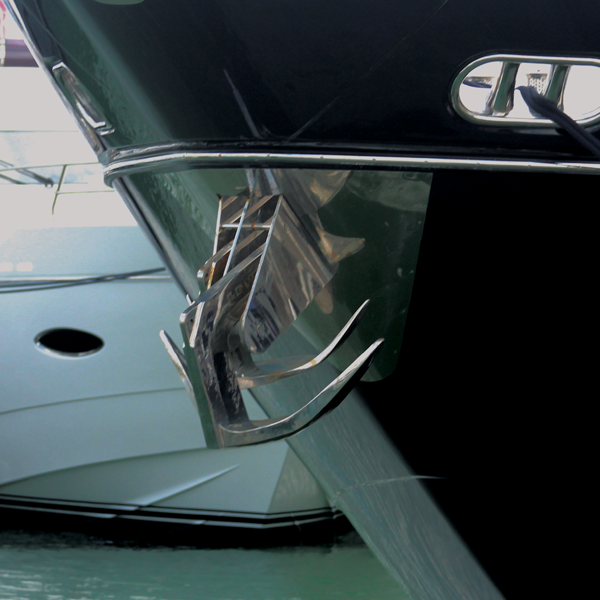
Next on our list of boat anchor types is the claw anchor, sometimes called a Bruce™ anchor. The name says it all with this one! Designed for use in windy conditions, claw anchors have three claws on the bottom that dig into the seabed to set the anchor quickly and firmly in many bottom conditions, including coral, rock and sand. The versatility of the claw design and durable galvanized steel construction make it wildly popular among recreational boaters. However, there is one drawback. Claw anchors tend to have lower holding power. This means you’ll need a larger, heavier anchor than you would with other anchor types.
Boat Type:
Boats up to 60 ft.
Good For:
Large open waters with sandy, muddy, coral and rocky bottoms, windy conditions
Bad For:
Hard clay seabeds
Delta or Plow Anchors
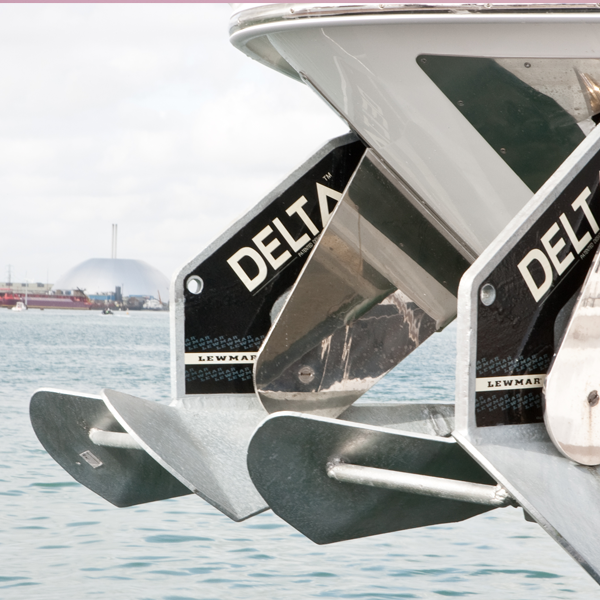
Arguably the most common anchor on the market, delta anchors have a winged plow design that's the standard among most boat manufacturers. Delta anchors set quickly, which is essential when the current catches you. The unique design allows it to reset easily if the wind or tide changes direction. Delta anchors are well suited for soft bottoms, weeds and grass. This type of anchor boasts a high holding power, making it ideal for windy conditions on open water. From sailboats to pontoon boats, stainless steel delta anchors are the way to go.
Boat Type:
Boats up to 70 ft.
Good For:
Large open waters with sandy, muddy and grassy bottoms, windy conditions
Bad For:
Rocky seabeds
Exploring Boat Anchor Types: Features of a Plow Anchor
Mushroom Anchors

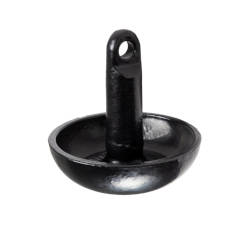
If you plan to paddle in thin-hulled small boats such as kayaks or canoes, the mushroom anchor is your best bet. This anchor design features a large circular disc at the base of its shaft, which will help prevent your boat from being damaged by the sharp edges of other anchor types. Best for soft seabeds, the design works based on suction. One of the best anchor types for small boats, the mushroom anchor falls short in the holding power category, making it a bad choice for larger boats. However, this anchor type makes a perfect lunch hook.
Boat Type:
Smaller boats, Kayaks, canoes
Good For:
Brief breaks on water with mud and sand bottoms
Bad For:
Rocky seabeds, large boats
Shallow Water Anchors

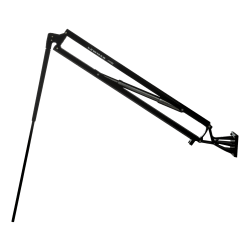
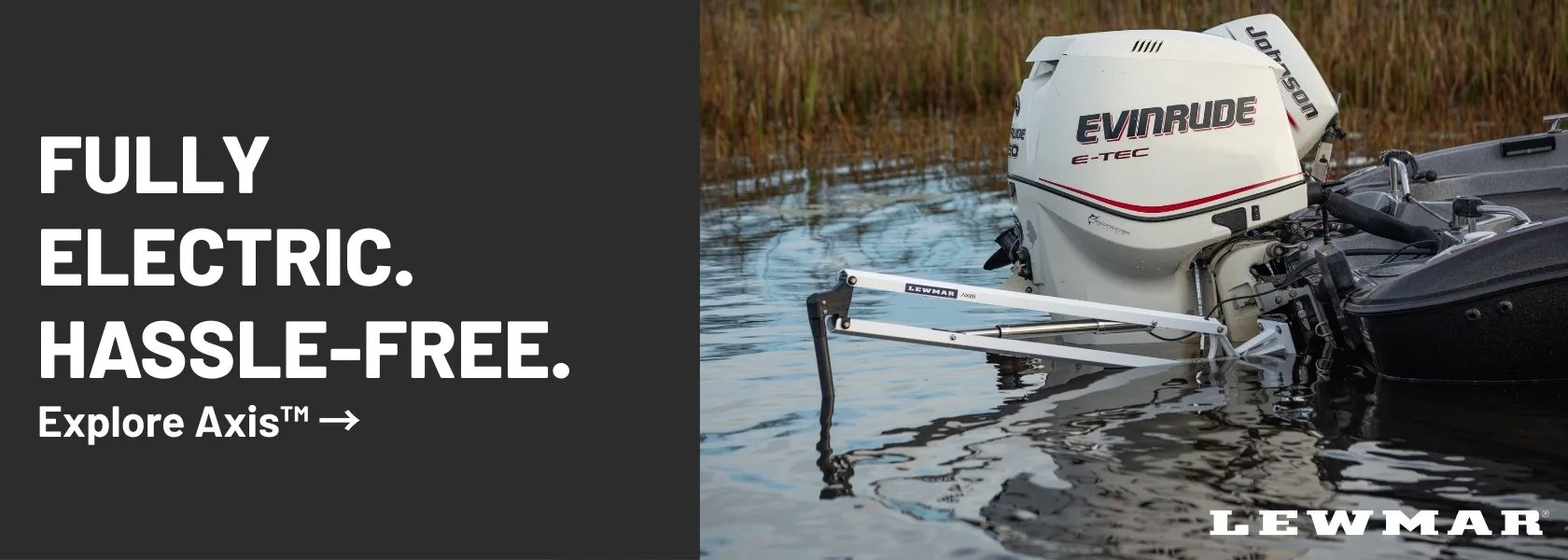
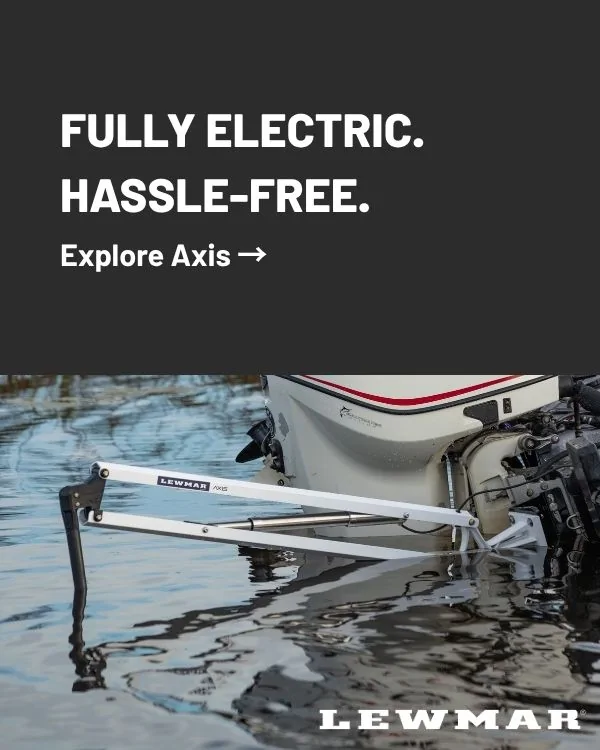
Coming in as the only electric anchor on the list, shallow water anchors are designed to secure boats in water depths up to eight feet. Shallow water anchors feature a long arm that extends down into the water from the boat's stern. At the end of the arm, there is a spike that is electrically driven into the bottom sediment, providing a secure hold. Specifically designed to provide swift and silent anchoring with the push of a button, this type of boat anchor is one of the best anchors for sandy bottoms, ideal for anglers looking to secure a coveted spot where the fish are biting.
Boat Type:
Powerboats under 26 ft.
Good For:
Shallow waters with sand, mud or clay seabeds
Bad For:
Seabeds with dense vegetation or large rocks, deep water
Exploring Boat Anchor Types: Axis Shallow Water Anchor in Action
Kedge Anchors
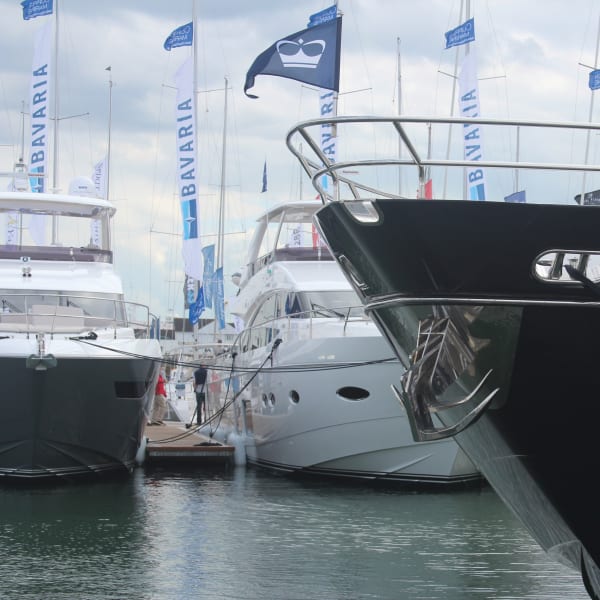
The kedge anchor, a staple among boat anchor types, is not only a secondary anchor on yachts but also a key player in a technique called "kedging." Kedging involves using the kedge anchor to haul a vessel out of a tight spot or to pivot it around a fixed point, enabling precise maneuvering in challenging conditions. While the primary anchor secures the yacht for extended periods, the kedge anchor offers flexibility and agility, particularly in confined spaces or when quick adjustments are necessary. Yacht owners rely on the kedge anchor's versatility when navigating narrow channels, entering congested harbors or simply fine-tuning their position for optimal mooring. Its compact size and ease of deployment make it a valuable asset in the sailor's toolkit, enhancing the vessel’s maneuverability and ensuring safe navigation in diverse maritime environments.
Boat Type:
Yachts, commercial fishing boats, sailboats over 35 ft.
Good For:
Secondary anchoring in narrow channels and congested harbors with sand or mud seabeds
Bad For:
Primary anchoring, hard clay and rocky seabeds
Boat Anchor Types - Quick Reference Chart
This quick reference chart highlights different types of anchors for boats and their uses. Each anchor is designed to effectively anchor a boat under various conditions, ensuring optimal stability and security.

How to Choose the Right Anchor Size
Now that our boat anchor guide has helped you determine the type of boat anchor that’s right for you, you’re probably wondering how to determine what size to buy. Unfortunately, there isn’t a straightforward answer. Factors such as boat size, holding power, bottom conditions and weather conditions all play a part when determining which size anchor to use. A good rule of thumb for recreational boaters is to have one pound of anchor for every one foot of boat. Thankfully, most manufacturers have sizing charts like the one featured below for the Lewmar Delta Anchor to help you make the right choice.

Anchor Accessories
A blog post about boat anchor types wouldn’t be complete without the mention of anchor accessories. Just as important as the anchor itself are the anchor rodes, winches, windlasses and bow rollers. Anchor rodes, aka your anchor line or cable, connect the anchor to the boat itself, absorbing any movement from wave or wind action. Bow rollers protect your boat’s hull during deployment, while both winches and windlasses are used to make anchoring safer and easier. The windlass is used to create tension, and the winch is used to loosen the tension. The best way to determine what anchor accessories you need for your specific anchor type, is to consult with your anchor manufacturers recommendations.
Frequently Asked Questions About Boat Anchor Types
-
What is the best type of boat anchor for most recreational boats?
For most recreational boats, a fluke anchor (Danforth-style) is often the best choice. It’s lightweight, affordable, and performs exceptionally well in sand and mud, which are the most common seabed conditions for boaters. If you boat in mixed or rocky conditions, a claw or plow anchor may offer better versatility.
-
How do I choose the right boat anchor for my setup?
The right anchor depends on three key factors: boat size, seabed type, and weather conditions. Larger boats require heavier anchors, while soft bottoms like sand or mud favor fluke designs. Rocky or coral bottoms require anchors that can grip and reset easily, like claw anchors.
-
What anchor works best in sand or mud?
A fluke anchor is the best choice for sand and mud because its pointed flukes dig into the seabed and create strong holding power. This makes it ideal for calm lakes, bays, and most recreational boating environments.
-
What anchor should I use in rocky or rough conditions?
A claw anchor is better suited for rocky bottoms, coral, or changing conditions. Its multi-pronged design allows it to grab onto uneven surfaces and reset easily if it breaks free, making it a reliable option in windier or more unpredictable environments.
-
Are plow anchors good for all types of boats?
Plow (or delta) anchors are highly versatile and work well for larger boats and mixed seabeds. They dig into the bottom like a plow and provide strong holding power, especially in sand, mud, and some grassy areas. They’re often considered a dependable all-around option for serious boaters.
-
What is a mushroom anchor used for?
A mushroom anchor is best for small boats like kayaks or canoes in calm water. It works by creating suction in soft seabeds but has lower holding power, making it unsuitable for larger boats or rough conditions.
-
What is a shallow water anchor and when should I use one?
A shallow water anchor is designed for quick, precise anchoring in shallow areas, often used for fishing or stopping temporarily. Instead of dragging along the bottom, it pins your boat in place for fast, quiet positioning.
-
Why do different anchor types matter?
Different anchor designs are built to interact with specific seabeds. Some anchors dig in (fluke, plow) while others hook onto surfaces (claw) or rely on weight and suction (mushroom). Choosing the wrong type can lead to dragging, poor holding, or unsafe conditions.
-
Do I need more than one type of anchor?
Many experienced boaters carry multiple anchors to handle different conditions. For example, a primary anchor for general use and a secondary (kedge) anchor for positioning or emergencies.
-
What size anchor do I need for my boat?
Anchor size depends on your boat’s length and weight, as well as environmental factors like wind and current. Larger boats or harsher conditions require heavier anchors to maintain proper holding power.
-
What happens if I use the wrong anchor?
Using the wrong anchor can cause your boat to drag, drift, or fail to set properly, especially in changing weather or seabed conditions. This can compromise safety and make it difficult to stay in place while fishing, swimming, or relaxing.


